Understanding the Environmental Impact of Spray Foam Solutions Dec 26, 2025
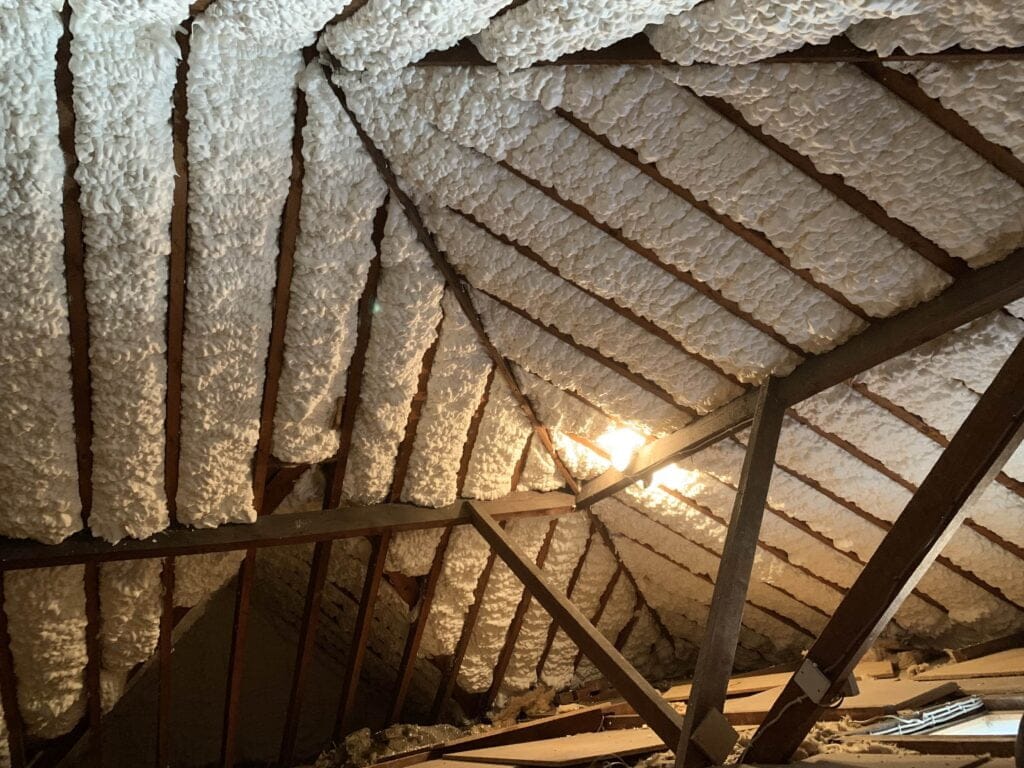
Spray foam insulation has gained popularity due to its superior insulating properties, effectively reducing energy consumption in homes and commercial buildings. By forming an airtight seal, spray foam minimizes heat loss and prevents drafts, leading to reduced reliance on heating and cooling systems. This increased energy efficiency significantly lowers carbon footprints and energy bills, a win-win for both the environment and consumers.
However, understanding the environmental implications of spray foam requires a closer look at its composition and lifecycle. Spray foam is typically made from polyurethane, a material derived from petrochemicals. One concern often raised is the potential emissions during application, as some spray foams emit greenhouse gases. At Freedom Foam & Construction, we prioritize the use of products that comply with stringent environmental standards, ensuring minimal emissions and health impacts. Selecting low-global warming potential (GWP) alternatives is an integral part of our environmentally responsible approach.
Another important factor to consider is the recyclability of spray foam insulation. While traditional insulation materials often end in landfills, advancements in spray foam technology have led to increased opportunities for recycling and reuse. Companies are developing methods to process and repurpose polyurethane, reducing environmental burdens. As a forward-thinking company, Freedom Foam & Construction supports these initiatives and continuously explores sustainable end-of-life solutions for our products.
Moreover, spray foam insulation contributes positively to indoor air quality, another significant environmental aspect. By creating an effective barrier, it prevents the infiltration of outdoor pollutants, allergens, and moisture. This reduction in allergens and mold growth enhances the indoor environment, contributing to healthier living conditions. When correctly installed, spray foam can be a powerful ally in maintaining indoor air quality, a pivotal component of sustainable living.
It is also paramount to acknowledge the role of spray foam in green building certifications. Green building programs, such as LEED (Leadership in Energy and Environmental Design), recognize the importance of using materials with high energy performance and low environmental impact. Spray foam insulation can contribute valuable points towards achieving these certifications, further supporting eco-friendly construction practices promoted by Freedom Foam & Construction.
In conclusion, while there are environmental considerations associated with spray foam insulation, its benefits often outweigh the challenges when responsibly sourced and applied. At Freedom Foam & Construction, we are dedicated to providing solutions that optimize energy efficiency and contribute positively to the environment. By choosing spray foam insulation, you're investing in a sustainable future, improving building performance, and supporting innovative approaches in recycling and responsible material use.
As the conversation about sustainability continues to grow, so too does our commitment to environmentally friendly practices. For those interested in learning more, our experts are happy to discuss how spray foam solutions can fit into your eco-conscious construction or renovation project. Together, we can make choices that benefit not just our buildings, but our planet as well.
/filters:no_upscale()/filters:format(webp)/media/3a0c4bbc-051f-4a83-be76-0c309c4cac1e.webp)
/filters:no_upscale()/filters:format(webp)/media/a0587066-cac2-4b1c-a97d-75386837669c.jpeg)