The Role of Spray Foam in Modernizing Historical Building Restoration May 17, 2026
Spray foam insulation stands out in building restoration for its unique properties. It provides an air-tight seal, improving the building's energy efficiency by minimizing drafts and preventing heat escape. This is crucial in historical buildings, where maintaining the original structure can pose significant energy conservation challenges. By reducing the demand on heating and cooling systems, spray foam aids in cutting down utility bills—a compelling benefit for building owners mindful of operational costs.
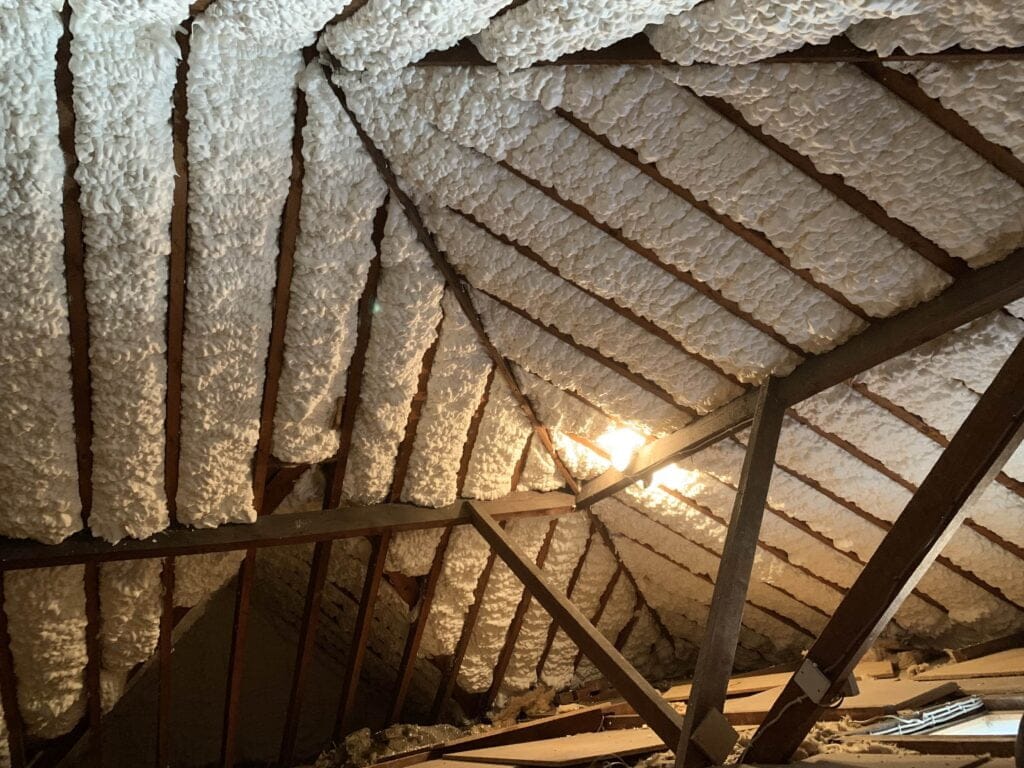
One of the primary concerns in historical building restoration is maintaining the building's exterior and interior aesthetics. Traditional insulation methods can be invasive, potentially damaging delicate structures or detracting from their historical value. Spray foam, however, offers a minimally invasive solution. It can be applied in hard-to-reach areas, adapting to the unique shapes and curvatures typical of historical architecture. This flexibility ensures that even tricky spaces are not left vulnerable to mold or moisture infiltration, problems which are often exacerbated in older buildings due to aged materials and design limitations.
Moreover, the ability of spray foam to expand and fill gaps provides superior insulation that other materials cannot match. The foam's expansion properties allow it to securely fit within nooks and crannies, ensuring comprehensive coverage that keeps buildings well-insulated, no matter their age or design intricacies. This feature significantly contributes to the preservation of the building's structural integrity over time, protecting it from potential damage due to temperature fluctuations and water intrusion.
Environmental considerations also come into play when restoring historical buildings. Many traditional insulation materials are not environmentally friendly and can leave a significant carbon footprint. In contrast, the spray foam products used by Freedom Foam & Construction are developed with sustainability in mind. They not only reduce energy consumption but also last longer than many conventional materials, meaning fewer resources are spent on replacement and maintenance.
The use of spray foam in historical building restoration also aligns with modern standards of health and safety. Older buildings can harbor hazardous materials such as asbestos or lead. The application of spray foam insulation can mitigate these risks by securely encapsulating harmful substances, thus preventing them from becoming airborne and ensuring a safer environment for occupants.
In conclusion, spray foam insulation represents a forward-thinking approach in the restoration of historical buildings. It provides a high-performance, environmentally friendly solution that respects both the architectural artistry of the past and the technological and environmental demands of the present. By integrating spray foam into restoration projects, companies like Freedom Foam & Construction help maintain the structural and aesthetic integrity of historical landmarks while ensuring they remain functional and sustainable for future generations.
For building owners, architects, and conservationists, utilizing spray foam is not just about insulation—it's about bridging the gap between historical preservation and modern innovation, ensuring these treasures stand the test of time without sacrificing their unique heritage.
/filters:no_upscale()/filters:format(webp)/media/3a0c4bbc-051f-4a83-be76-0c309c4cac1e.webp)
/filters:no_upscale()/filters:format(webp)/media/a0587066-cac2-4b1c-a97d-75386837669c.jpeg)