Spray Foam versus Traditional Insulation: Which is Right for You? Feb 06, 2026
Insulation is essential for maintaining a comfortable indoor temperature and reducing energy costs. Spray foam and traditional insulation types, such as fiberglass and cellulose, each have unique benefits and drawbacks. Before diving into specifics, it's essential to grasp the basics of insulation performance.
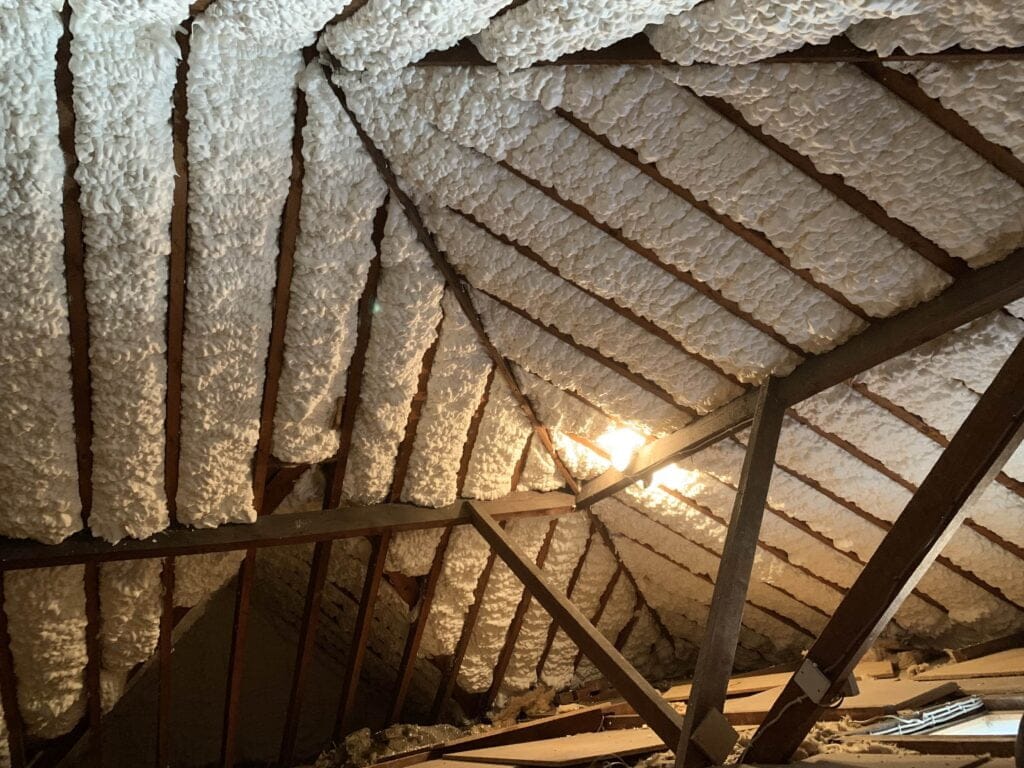
Spray foam insulation, known for its high R-value per inch, is an effective solution for creating a tightly sealed environment. This type of insulation expands upon application, filling gaps and crevices that traditional materials might miss. As a result, spray foam serves as both an insulator and an air sealant, significantly reducing the risk of moisture intrusion and air leaks. Homes in varied climates, from sweltering summers to freezing winters, can benefit from the enhanced thermal performance and moisture resistance that spray foam provides.
On the other hand, traditional insulation, such as fiberglass batts or cellulose, has long been used due to its affordability and ease of installation. Typically, these materials fit between wall studs or attic joists. While traditional insulation effectively reduces heat loss and gain, its performance can be compromised by gaps and settling over time. Unlike spray foam, traditional methods do not offer an airtight seal and may require more maintenance to prevent damage from moisture or pests.
One of the primary considerations for homeowners is cost. Spray foam insulation generally has a higher upfront cost compared to traditional options. However, its longevity and energy savings often justify this expense over time. Spray foam can reduce energy bills significantly due to its superior ability to limit airflow and bolster thermal insulation. Meanwhile, traditional insulation is initially cheaper, but potential energy loss and higher maintenance costs might increase expenses in the long run.
Another factor is installation and health implications. Spray foam installation requires professional expertise due to its complex application process, which typically involves mixing and spraying chemicals. While the finished product is safe, it's crucial to vacate the area during the installation and curing process to avoid inhaling fumes. Conversely, traditional insulation is generally easier and safer to install, often making it a viable DIY option for homeowners.
When considering sustainability, spray foam insulation is often seen as less eco-friendly due to its chemical composition. However, advancements in the industry have introduced more environmentally friendly options. Traditional materials like cellulose are praised for their sustainability since they are often made from recycled materials, but the energy inefficiencies over time can negate environmental benefits.
In conclusion, the choice between spray foam and traditional insulation hinges on factors such as budget, long-term energy savings, and personal preferences regarding installation and environmental impact. At Freedom Foam & Construction, we encourage homeowners to evaluate these aspects carefully. Opting for spray foam might be the way to go for those prioritizing energy efficiency and durability, despite the higher initial investment. Meanwhile, traditional insulation can be suitable for those looking for a cost-effective and straightforward installation process. Ultimately, the right insulation will enhance your home's comfort, efficiency, and value. For further assistance or expert advice, feel free to reach out to our dedicated team at Freedom Foam & Construction.
/filters:no_upscale()/filters:format(webp)/media/3a0c4bbc-051f-4a83-be76-0c309c4cac1e.webp)
/filters:no_upscale()/filters:format(webp)/media/a0587066-cac2-4b1c-a97d-75386837669c.jpeg)