Spray Foam Solutions: Innovating Acoustic Comfort in Modern Architecture Jun 13, 2026
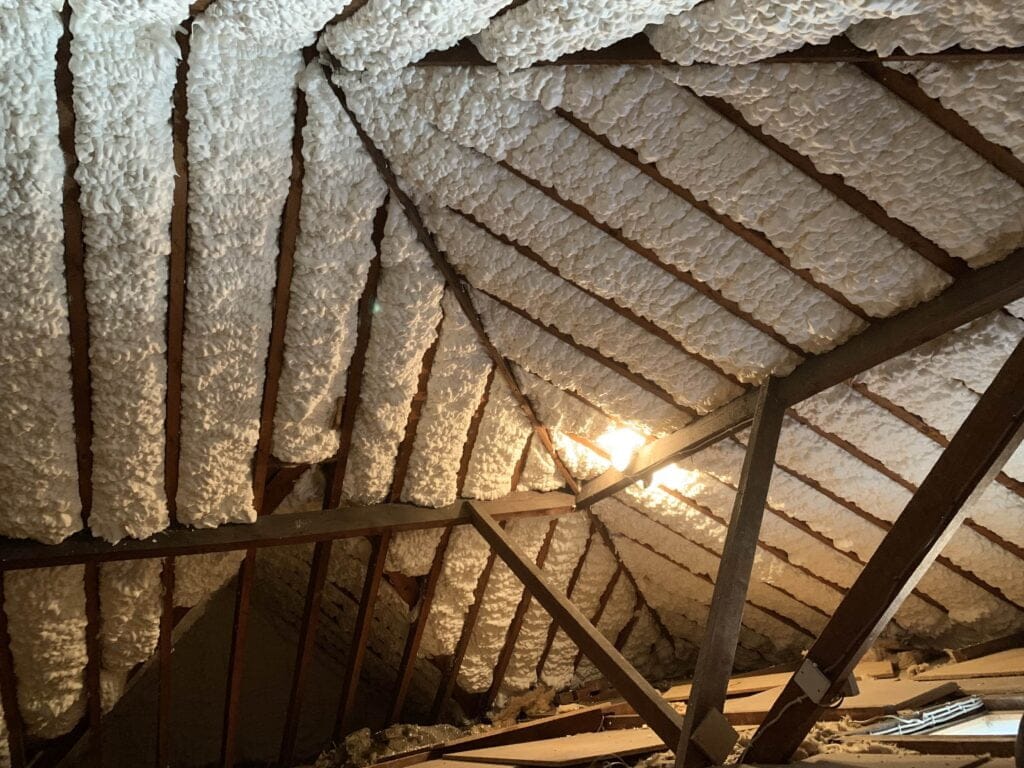
The surge in open-plan designs and high-density living has made the control of sound levels a prime concern for architects and builders. Spray foam insulation, often celebrated for its thermal efficiency, emerges as a versatile solution in addressing these acoustic challenges. Traditional methods like fibrous batts often fall short in delivering comprehensive soundproofing, leaving gaps that compromise privacy and comfort. Spray foam, however, provides a seamless barrier that significantly reduces airborne sound transmission, elevating acoustic comfort across various settings.
One of the key advantages of spray foam in modern architecture is its ability to provide a higher Sound Transmission Class (STC) rating compared to conventional insulation materials. This ensures that unwanted noise from outside or adjacent rooms is effectively dampened, creating a more serene and private environment. For businesses, this translates to more productive workspaces devoid of disruptive external sounds, while homeowners enjoy a peaceful sanctuary insulated from urban clamor.
Moreover, spray foam offers an unparalleled capacity to fill cavities and seal gaps with precision. This adaptability is particularly beneficial in complex architectural designs with unique acoustical needs. By creating an uninterrupted seal, spray foam not only tackles thermal changes but also minimizes sound leaks that would otherwise pass through walls, floors, and ceilings.
Freedom Foam & Construction takes this a step further by custom-tailoring spray foam solutions to the specific acoustic requirements of each project. Whether it's installing open-cell spray foam, which absorbs sound waves and diminishes echo, or selecting closed-cell variants that boost structural integrity while handling low-frequency noise, their expertise ensures optimal sound control.
Proactive communication with architects and builders is instrumental in the incorporation of spray foam solutions into architectural projects. By collaborating early in the design phase, Freedom Foam & Construction is able to address potential noise sources and design more effectively for acoustic comfort. This collaboration often involves identifying the specific noise control challenges and selecting the appropriate type and thickness of spray foam needed for maximum effectiveness.
Beyond its acoustic and thermal benefits, spray foam is also recognized for its sustainability. As environmental consciousness becomes a cornerstone of contemporary architecture, using materials that reduce energy consumption aligns perfectly with green building initiatives. The airtight seal provided by spray foam not only enhances energy efficiency but also contributes to maintaining healthier indoor air quality by preventing the ingress of outside pollutants and allergens.
In conclusion, spray foam emerges as a revolutionary component in modern architecture, offering unmatched benefits in enhancing acoustic comfort. With the expert services provided by Freedom Foam & Construction, buildings can achieve both superior soundproofing and energy efficiency, fostering environments that prioritize peace and productivity. As the industry continues to evolve, incorporating spray foam into architectural designs promises a future where acoustic comfort stands as a fundamental pillar of architectural innovation.
/filters:no_upscale()/filters:format(webp)/media/3a0c4bbc-051f-4a83-be76-0c309c4cac1e.webp)
/filters:no_upscale()/filters:format(webp)/media/a0587066-cac2-4b1c-a97d-75386837669c.jpeg)