Spray Foam Insulation: A Strategic Approach to Reducing Carbon Footprints Apr 15, 2026
In the face of growing environmental concerns, reducing carbon footprints has become a priority for many homeowners and businesses. One innovative solution that has gained traction is spray foam insulation. Providing both environmental and economic benefits, spray foam insulation is a strategic ally for those looking to minimize their impact on the planet. At Freedom Foam & Construction, we recognize the importance of this eco-friendly approach and are committed to helping our clients achieve a sustainable tomorrow.
Understanding Spray Foam Insulation
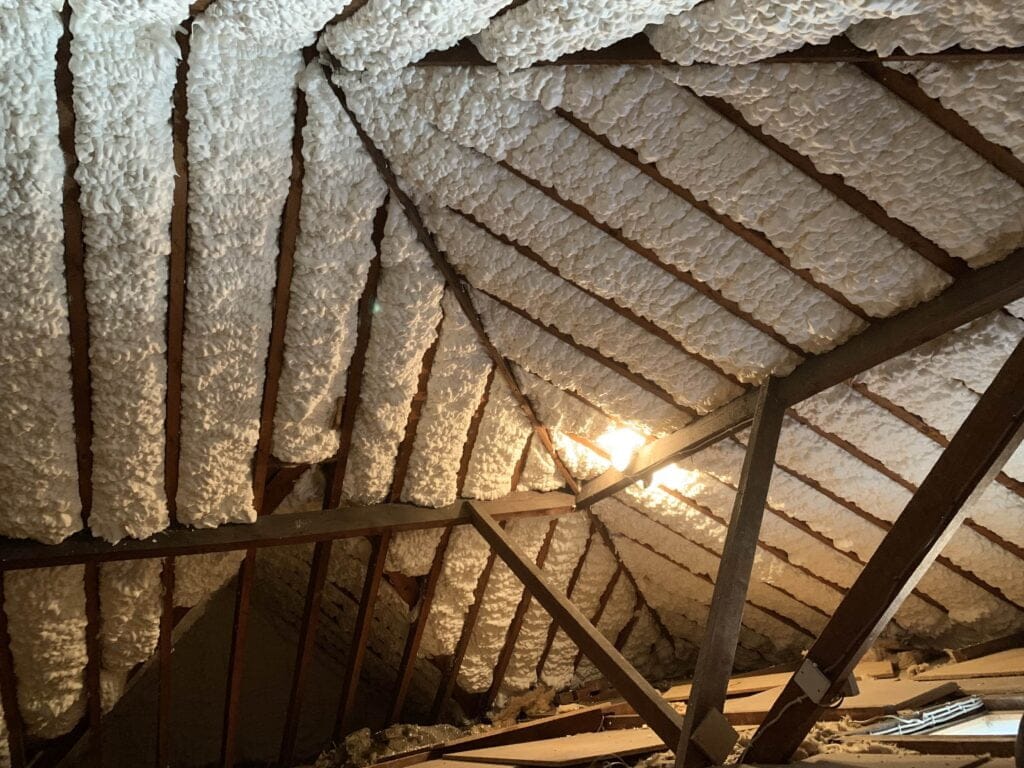
Spray foam insulation is a versatile material composed of isocyanate and polyol resin, which expand on-site to create a barrier against air and moisture infiltration. Unlike traditional insulation options like fiberglass, spray foam adapts to any surface, filling gaps and offering superior energy efficiency. This innovative product not only enhances thermal regulation but also contributes to significant energy savings, playing a crucial role in reducing overall carbon footprints.
Why Choose Spray Foam Insulation?
The decision to switch to spray foam insulation is driven by a variety of benefits that extend beyond environmental consciousness. First and foremost, spray foam insulation significantly increases energy efficiency in homes and commercial buildings. By effectively sealing off air leaks, it reduces the dependency on heating and cooling systems, resulting in lower energy consumption and reduced greenhouse gas emissions.
Moreover, spray foam insulation is known for its durability and longevity. With a longer lifespan than other traditional insulation materials, it minimizes frequent replacements, saving resources and reducing waste. Additionally, it offers excellent moisture control, preventing mold growth and promoting better indoor air quality.
Environmental Impact and Carbon Footprint Reduction
Transitioning to spray foam insulation provides a two-fold benefit: it significantly cuts down energy bills while simultaneously reducing carbon emissions. Energy efficiency translates into less fossil fuel consumption, a major contributor to carbon footprints. By using spray foam, homes and buildings can decrease their heating and cooling loads, thereby lowering their indirect greenhouse gas emissions.
Moreover, spray foam insulation contributes to green building certifications such as LEED (Leadership in Energy and Environmental Design), which further acknowledges its positive environmental impact. Opting for spray foam insulation is one step towards meeting global sustainability goals, and more importantly, making a difference in your immediate ecosystem.
Landlords and business owners also benefit from the eco-friendly advantages of spray foam insulation by attracting environmentally conscious tenants and clients. With increased awareness and demand for green solutions, using eco-friendly materials elevates a building's marketability and appeal.
Conclusion
Freedom Foam & Construction is dedicated to offering solutions that promote a sustainable lifestyle, and spray foam insulation is a testament to our commitment to reducing carbon footprints. The energy efficiency, longevity, and environmental benefits of spray foam insulation make it an indispensable tool in the global effort to combat climate change. By choosing spray foam insulation, you're not just saving on utility bills and enhancing comfort—you're investing in a sustainable future for our planet.
If you're ready to make the switch or seek further information about how spray foam insulation can benefit your building, Freedom Foam & Construction is here to guide you every step of the way. Embrace this strategic approach to sustainability and join the growing community of environmentally conscious individuals making a meaningful impact.
/filters:no_upscale()/filters:format(webp)/media/3a0c4bbc-051f-4a83-be76-0c309c4cac1e.webp)
/filters:no_upscale()/filters:format(webp)/media/a0587066-cac2-4b1c-a97d-75386837669c.jpeg)